voting methods comparison, absentee ballot process, mail-in voting guidelines


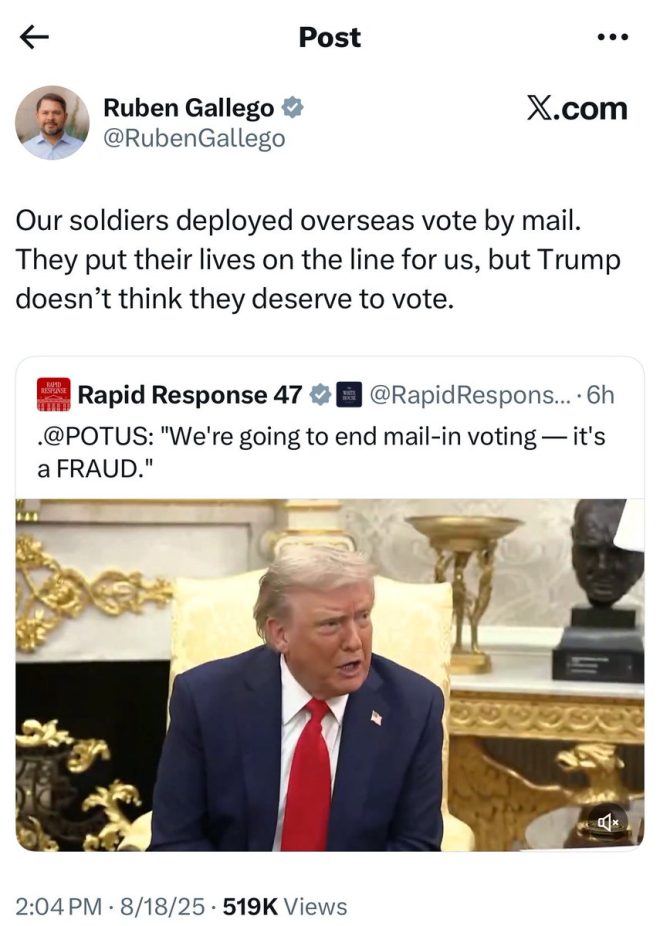
A sitting Democratic senator doesn’t know the difference between absentee voting and mail-in voting. pic.twitter.com/CAJNu5x5UY
— Ian Jaeger (@IanJaeger29) August 19, 2025
- YOU MAY ALSO LIKE TO WATCH THIS TRENDING STORY ON YOUTUBE. Waverly Hills Hospital's Horror Story: The Most Haunted Room 502
A sitting Democratic Senator doesn’t know the difference between absentee voting and mail-in voting
In today’s political landscape, understanding the nuances of voting methods is crucial. Recently, a sitting Democratic Senator sparked controversy by confusing absentee voting with mail-in voting. This incident highlights a significant gap in awareness about voting processes among elected officials, which can impact public trust and voter engagement.
Absentee voting allows individuals to cast their ballots without being physically present at their polling place, usually through a request made in advance. On the other hand, mail-in voting, often referred to as universal mail-in voting, enables all eligible voters to receive their ballots by mail, often without needing to provide a specific reason for not voting in person. The difference, while subtle, is essential for understanding the broader electoral process.
This confusion raises questions about the level of knowledge required for legislators who create laws affecting voting rights and accessibility. When leaders misunderstand these fundamental concepts, it can lead to misinformation spreading among the public, undermining confidence in the electoral system.
For example, if a senator can’t differentiate between these two voting methods, how can they effectively advocate for legislation that ensures fair access to the ballot? This situation emphasizes the need for ongoing education and dialogue about voting rights, especially as elections become more complex and varied in their methods.
As voters, it’s vital to stay informed and engaged with these issues. You can learn more about absentee and mail-in voting through reputable sources like the National Association of Secretaries of state or the U.S. Election Assistance Commission. Understanding your voting options empowers you to make informed decisions at the polls.