corporate donors vaccines, American Academy of Pediatrics influence, CDC vaccination policy


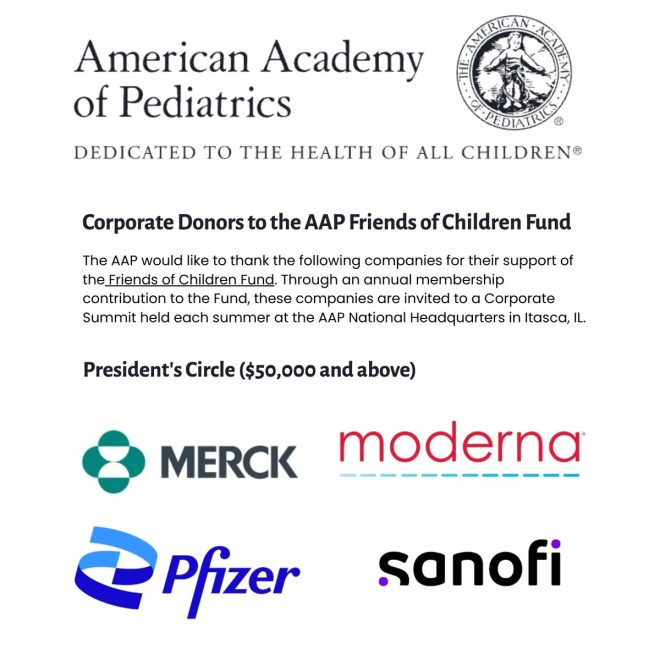
This is a screenshot from American Academy of Pediatrics’ webpage, thanking the organization’s top corporate donors. These four companies make virtually every vaccine on the CDC recommended childhood vaccine schedule. AAP is angry that CDC has eliminated corporate influence in… pic.twitter.com/WtWe6vnUrw
— Secretary Kennedy (@SecKennedy) August 19, 2025
- YOU MAY ALSO LIKE TO WATCH THIS TRENDING STORY ON YOUTUBE. Waverly Hills Hospital's Horror Story: The Most Haunted Room 502
Screenshot from American Academy of Pediatrics’ Webpage
Have you seen the recent screenshot making waves from the American Academy of Pediatrics (AAP)? It shows the organization thanking its top corporate donors, which include major pharmaceutical companies that produce nearly every vaccine listed on the CDC’s recommended childhood vaccine schedule. This revelation has sparked significant conversation about corporate influence in pediatric healthcare.
AAP’s Concerns Over CDC’s Decisions
The AAP is reportedly upset that the CDC has taken steps to eliminate corporate influence in vaccine recommendations. This move aims to ensure that public health decisions are made without the pressure of corporate interests. The role of corporate donations in shaping health policies raises important questions about transparency and trust in healthcare organizations.
Understanding Vaccine Recommendations
Vaccines are vital for preventing serious diseases in children. The CDC recommends a specific childhood vaccine schedule to protect public health. However, the involvement of large pharmaceutical companies in this process can lead to skepticism among parents and the community. It’s crucial to understand how these recommendations are developed and the potential impact of corporate donations on public perceptions.
The Importance of Transparency
As parents, we want to ensure our children receive the best care possible. Transparency in healthcare, especially regarding vaccines, is essential for building trust. Organizations like the AAP play a significant role in educating families, but the connection to corporate donors can complicate that mission.
For more insights into the relationship between corporate donations and public health organizations, check out articles on the CDC’s website or visit the AAP’s official page.
Staying informed about these developments is key to understanding the landscape of pediatric healthcare and ensuring our children’s well-being.