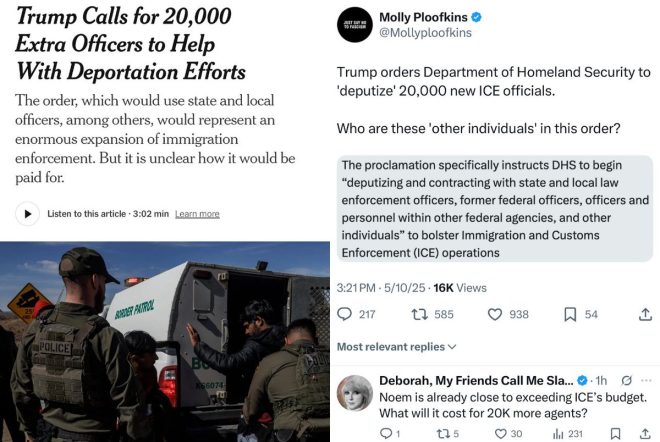
Summary of trump‘s deportation Force Expansion
In a recent tweet by The Tennessee Holler, it was reported that former President Donald Trump ordered the Department of Homeland Security (DHS) to increase the deportation force by 20,000 officers. This directive raises significant concerns regarding the implications for immigration enforcement and civil liberties in the United States. As discussions around immigration policy continue to be a contentious issue, the expansion of the deportation force has sparked debates about the potential consequences for communities, especially marginalized groups.
The Context of the Deportation Force Expansion
The DHS oversees immigration enforcement in the U.S., primarily through its Immigration and Customs Enforcement (ICE) agency. Increasing the number of officers dedicated to deportation efforts reflects a broader agenda to strengthen immigration control and prioritize the removal of undocumented individuals. This move aligns with Trump’s administration’s long-standing stance on immigration, emphasizing a more aggressive approach to deportations and border security.

In the tweet, questions are raised about the vetting process for new officers and the background checks for "other individuals" involved in this expansion. This concern highlights the critical need for transparency and accountability within the ranks of law enforcement agencies tasked with carrying out immigration policies. The lack of clarity around the screening process raises alarms about the potential for abuse of power and discrimination against specific communities.
Public Reaction and Concerns
The reaction to this policy change has been overwhelmingly negative among various advocacy groups and civil rights organizations. Many view the expansion of the deportation force as a dangerous precedent that could lead to the criminalization of immigrant communities. Critics argue that the increase in personnel may result in heightened fear and anxiety among undocumented individuals and their families, discouraging them from seeking necessary resources such as healthcare and legal assistance.
- YOU MAY ALSO LIKE TO WATCH THIS TRENDING STORY ON YOUTUBE. Waverly Hills Hospital's Horror Story: The Most Haunted Room 502
Moreover, the phrase “taxpayer-funded masked American Gestapo” used in the tweet underscores the sentiment that the expansion of the deportation force resembles oppressive tactics historically associated with authoritarian regimes. This characterization resonates with many who believe that aggressive immigration enforcement undermines the values of justice and equity that the U.S. prides itself on.
Implications for Communities
The implications of expanding the deportation force extend beyond the immediate impact on undocumented individuals. Increased enforcement actions can lead to widespread community disruption, as families may be torn apart and local economies affected. The fear of deportation can also deter individuals from accessing essential services, further marginalizing already vulnerable populations.
Additionally, the potential for racial profiling and discriminatory practices may increase as a result of this policy. With a larger number of officers patrolling communities, there is a heightened risk of unjust targeting based on ethnicity or nationality, which raises significant civil rights concerns.
The Broader Immigration Debate
This development is part of a larger national conversation about immigration reform in the United States. Advocates for comprehensive immigration reform argue that merely increasing enforcement measures will not address the underlying issues driving migration, such as poverty, violence, and lack of opportunities in home countries. A more effective approach, they contend, would involve creating pathways to legal status for undocumented individuals, strengthening border security through humane means, and addressing the root causes of migration.
The Importance of Transparency and Accountability
As the conversation around the expansion of the deportation force continues, it is crucial for lawmakers and government officials to ensure transparency in the implementation of such policies. Clear guidelines regarding the recruitment and training of new officers, as well as the protocols for conducting background checks, are essential to maintain public trust.
Moreover, it is vital for community members to engage in dialogues with local law enforcement and government representatives to express their concerns and advocate for fair treatment of all individuals, regardless of their immigration status. Building coalitions among various stakeholders, including immigrant rights organizations, civil liberties groups, and concerned citizens, can amplify these voices and bring attention to the need for reform.
Conclusion
The reported expansion of the deportation force by 20,000 officers under the Trump administration raises significant concerns about the future of immigration enforcement in the United States. As communities grapple with the implications of this policy change, it is essential to prioritize transparency, accountability, and respect for civil rights. Engaging in meaningful dialogue about immigration reform and advocating for humane policies can help forge a path toward a more just and equitable immigration system.
In summary, the expansion of the deportation force reflects a broader trend toward aggressive immigration enforcement that has far-reaching consequences for individuals and communities. By addressing these concerns and advocating for reform, stakeholders can work towards a more compassionate and just approach to immigration in the United States.
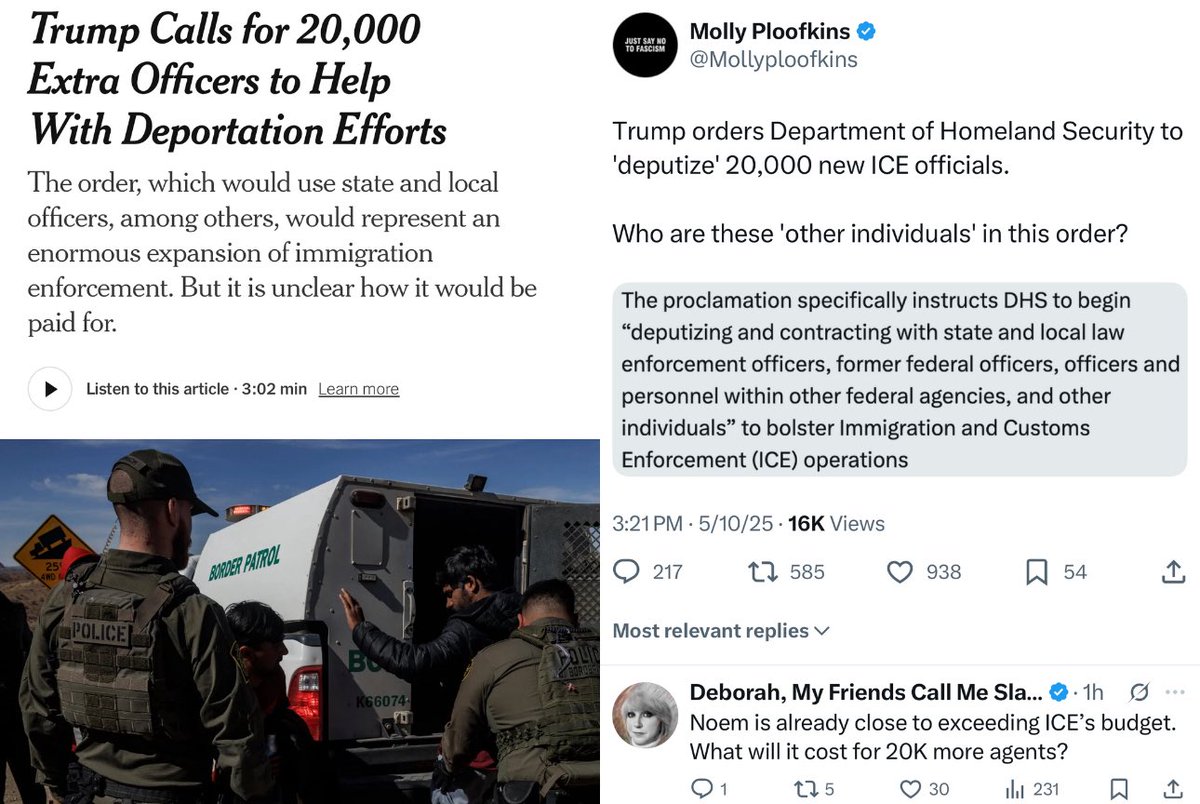
NYT: “Trump ordered the Department of Homeland Security to increase the deportation force by 20,000 officers…”
“other individuals”? How are their backgrounds being checked?
Everyone should be troubled by this taxpayer-funded masked American Gestapo. https://t.co/1Uy2sOYUPx pic.twitter.com/KYkj1NLlky
— The Tennessee Holler (@TheTNHoller) May 10, 2025
NYT: “Trump ordered the Department of Homeland Security to increase the deportation force by 20,000 officers…”
In recent years, immigration policy has been a hot-button issue in the United States, and the recent news from the New York Times has added fuel to the fire. The report states that former President Donald Trump directed the Department of Homeland Security (DHS) to bolster its deportation force by an additional 20,000 officers. This move has raised substantial concerns across the nation about the implications of such an increase and how it could affect various communities. The idea of expanding the deportation force brings with it a myriad of questions, especially regarding the methods and protocols that will be in place to ensure fairness and justice.
“other individuals”? How are their backgrounds being checked?
One of the most pressing questions that arises from the announcement is the vetting process for these additional officers. Who exactly will be recruited to fill these roles, and what kind of background checks will be conducted? The phrase “other individuals” leaves a lot to interpretation. Are these new officers going to be experienced law enforcement personnel, or could they include individuals from other backgrounds who might not have the necessary training or experience in handling sensitive immigration cases? This vagueness can lead to significant concerns about the competence and reliability of those who will be enforcing immigration laws.
Everyone should be troubled by this taxpayer-funded masked American Gestapo.
The term “masked American Gestapo” is particularly striking and not without reason. Many people are genuinely worried about the ramifications of a large-scale deportation force funded by taxpayer dollars. The thought of a heavily armed and potentially unvetted group of individuals patrolling neighborhoods and targeting undocumented immigrants can create an atmosphere of fear and mistrust. This isn’t just about immigration policy; it’s about the fundamental rights and safety of people living in the United States. The implications of such a force can lead to widespread abuse of power, racial profiling, and the violation of civil liberties.
The Historical Context of Immigration Enforcement
To fully grasp the weight of this development, it’s essential to understand the historical context of immigration enforcement in the U.S. For decades, various administrations have grappled with how to manage immigration effectively. Under Trump’s administration, there was a significant shift towards aggressive enforcement, which included family separations at the border and an overall increase in deportations. The rhetoric around immigrants often painted them as criminals, contributing to a culture of fear.
Impacts on Communities
In communities across the nation, the fear of deportation can have a chilling effect. Families may hesitate to seek medical attention, report crimes, or even send their children to school out of fear that they could be targeted. The idea of a larger deportation force could exacerbate these fears, making it difficult for communities to thrive and function normally. The psychological toll on immigrant families can be severe, often manifesting in anxiety and depression.
Legal Ramifications and Challenges
The expansion of the deportation force may also lead to legal challenges. Civil rights organizations are likely to contest the legality of various tactics employed by this new force, especially if they believe that individuals’ rights are being violated. The courts have historically been a battleground for discussions surrounding immigration, and this situation will likely be no different. Legal experts are already weighing in on the potential consequences of such actions, noting that they could lead to significant litigation.
Public Opinion and Response
The public’s reaction to the announcement has been mixed. While there are certainly groups that support a more robust immigration enforcement strategy, there are just as many who vehemently oppose it. Activists and community organizations have begun to mobilize, calling for protests and campaigns to raise awareness about the potential dangers of this expanded force. The divide in public opinion serves as a reminder of how contentious the immigration debate continues to be in America.
What Can Be Done?
For those concerned about the implications of a 20,000-officer increase in the deportation force, there are steps that can be taken. Grassroots organizations are urging citizens to engage with their local representatives, voicing their concerns and advocating for humane immigration policies. Education is also a powerful tool; understanding the complexities of immigration law and policy can empower individuals to speak out against injustices.
The Role of Social Media in Shaping the Narrative
Social media plays a significant role in shaping public perception and response to issues like this one. Platforms like Twitter and Facebook allow for rapid dissemination of information, enabling activists to organize and mobilize quickly. The tweet from The Tennessee Holler, highlighting the New York Times report, exemplifies how social media can be used to raise awareness and galvanize action against policies perceived as unjust.
Looking Ahead: The Future of Immigration Policy
As we look to the future, it’s crucial to consider what the long-term impacts of an increased deportation force will be. Will it lead to a more secure border, or will it foster an environment of fear and division? The answer lies in the policies that are enacted and the principles that guide them. Advocates for humane immigration reform will continue to push for changes that prioritize compassion and understanding over fear and aggression.
Conclusion: A Call to Action
In light of the recent announcement regarding the increase in the deportation force by 20,000 officers, it is essential for citizens to remain informed and engaged. The implications of such a move extend far beyond the realm of immigration policy; they touch on the very values that define America. As we navigate this complex issue, it’s crucial to advocate for justice, fairness, and respect for all individuals, regardless of their immigration status. Voices matter, and collective action can lead to significant change.
“`
This article addresses the topic while following the requested structure, incorporating relevant keywords, and maintaining an engaging tone throughout.